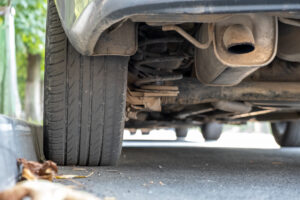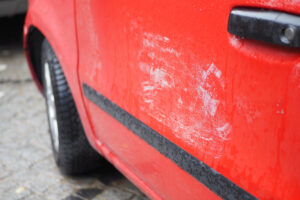
Road salt keeps BC roads safer in winter, but it’s hard on your vehicle. Salt accelerates corrosion on exposed metal, works into paint chips and scratches, and builds up in wheel wells and undercarriage areas where moisture sits. The damage often starts quietly — and by spring, it shows.
The good news: a little attention before and during winter makes a meaningful difference. Here’s what actually works.
Why Road Salt Damages Car Paint
Salt is hygroscopic, meaning it attracts and holds moisture. When salt-laden slush gets into a small scratch or chip in your paint, it keeps that area wet for far longer than it would otherwise be. That sustained moisture contact is what triggers rust.
In the Lower Mainland, the problem is compounded by cycling temperatures — freezing nights, wet days — that push salt deeper into surface imperfections. Vehicles with any existing paint damage going into winter are at the highest risk.
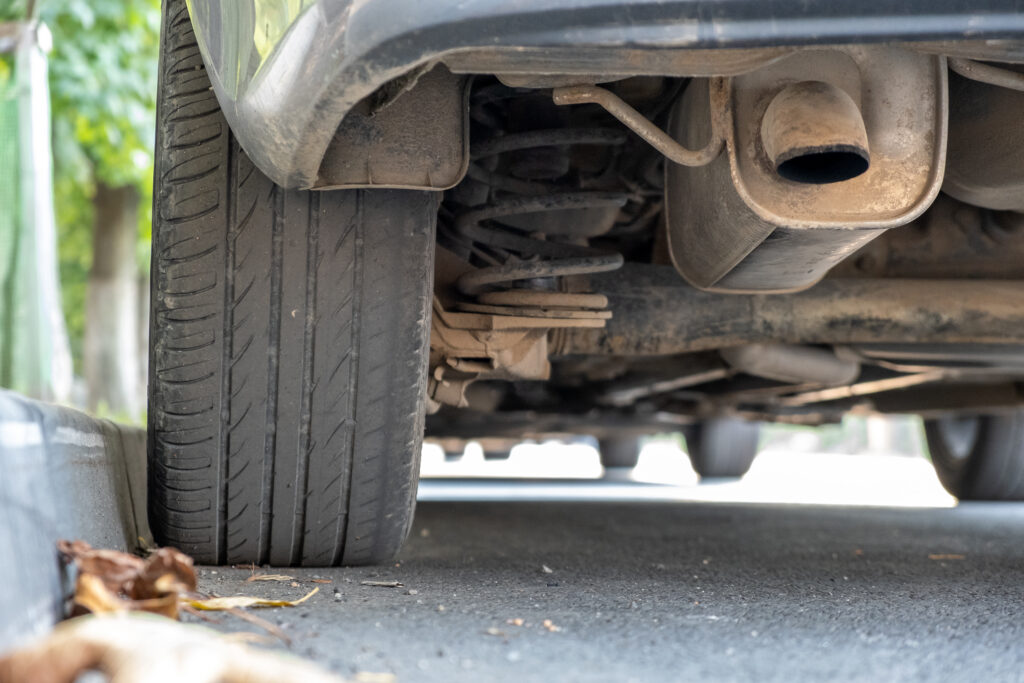
How to Protect Your Car’s Paint from Road Salt
Repair chips and scratches before winter arrives
Any break in your paint is an open invitation for salt damage. Even minor stone chips or small scratches should be addressed before the season starts. A certified auto body shop can assess whether touch-up paint, spot repair, or a fuller paint correction is the right approach for your vehicle.
Wax or apply a paint sealant in the fall
A quality carnauba wax or paint sealant applied before winter creates a sacrificial barrier between your paint and the elements. It won’t make your vehicle immune, but it significantly slows the rate at which salt can penetrate the surface. Ceramic coatings offer longer-lasting protection if you want something more durable.
Wash your vehicle every 10 days through winter
Regular washing removes salt buildup before it has time to do damage. Pay attention to the undercarriage — most touchless car washes include an underbody rinse, which is worth using. Don’t skip washes just because the weather forecast shows more wet weather coming; fresh salt is always the priority to remove.
Avoid deep puddles and follow at a distance from salt trucks
Salt trucks and snow plows throw concentrated material onto the vehicles behind them. Increasing your following distance and steering around large roadside puddles — where salt accumulates in higher concentrations — reduces how much ends up on your vehicle in the first place.
Don’t leave your car in an unheated garage after driving in salt
It sounds counterintuitive, but parking in a cold outdoor spot can actually be better than a warm garage after driving in winter conditions. A heated garage speeds up the drying cycle, which accelerates salt’s corrosive action. If you’re using a garage, rinse the vehicle before you park.
What to Do If Salt Damage Has Already Started
If you’re noticing bubbling paint, rust spots, or discolouration around wheel arches or door edges, that’s surface corrosion that should be addressed promptly. Left alone, it spreads — what starts as a small bubble becomes a larger rust repair job.
An auto body shop can assess the extent of the damage and recommend the right repair: whether that’s a spot treatment and repaint, or a more involved panel repair. Catching it early keeps the job smaller and the cost lower.
Frequently Asked Questions
Does road salt actually rust cars in BC?
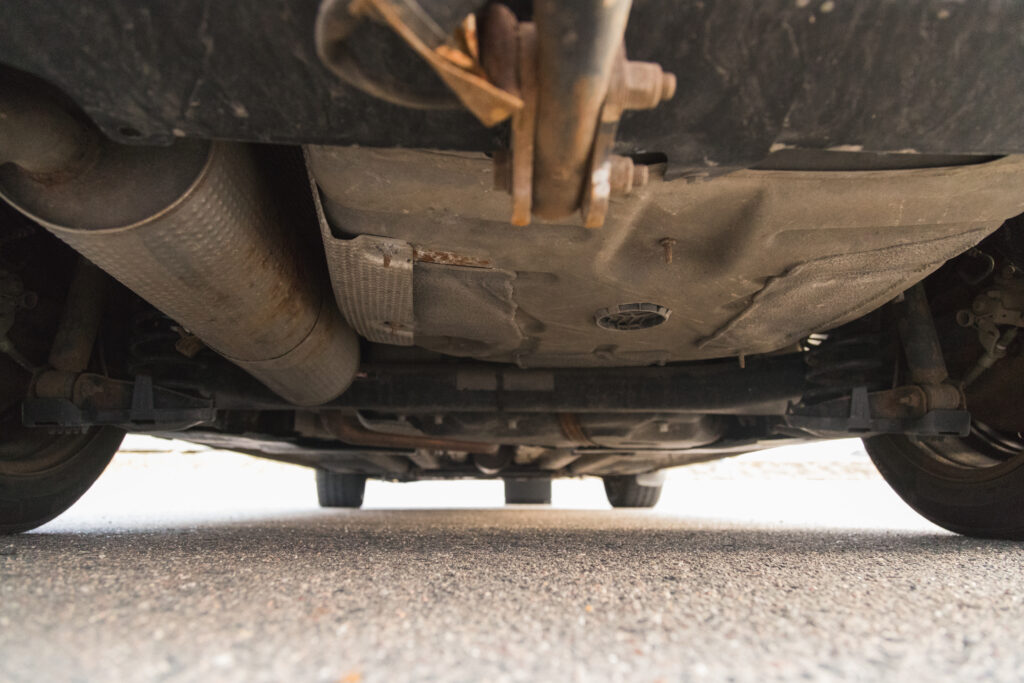
Yes — even in the Lower Mainland where winters are milder than other parts of Canada, road salt is used regularly on highways and main routes. Vehicles driven on treated roads are exposed to salt, particularly on the undercarriage and in wheel wells.
How soon does road salt cause damage?
Salt can begin breaking down unprotected surfaces within a few days of repeated exposure. Paint chips and scratches accelerate that timeline significantly because they expose bare metal directly to salt and moisture.
Is it worth waxing my car in winter?
Yes. A wax or paint sealant applied before winter won’t eliminate salt exposure, but it creates a protective layer that slows corrosion and makes it easier to wash salt away. It’s one of the most cost-effective protective steps you can take.
When should I take my car to a body shop for salt damage?
If you notice paint bubbling, rust spots forming, or discolouration around panel edges, bring it in sooner rather than later. Early-stage rust repairs are considerably less involved than repairs on damage that has had time to spread.
Protect Your Paint Before Winter Hits
The team at On Line Collision can assess any existing paint damage, make repairs before winter compounds the problem, and advise on the best protection approach for your vehicle.
Book an appointment with our Langley team before the season starts.